
AP Reconciliation
Vendor Statement Reconciliation: The 30-Minute Step Most Bookkeepers Skip (2026)
Vendor statement reconciliation catches the 3-5% AP leak that bank feeds miss. Here's a 30-minute monthly workflow for your top 10 vendors.
13 min
Vendor statement reconciliation catches the 3-5% AP leak that bank feeds miss. Here's a 30-minute monthly workflow for your top 10 vendors.

Credits appear unannounced. Record them wrong once and your AP aging lies to you for the rest of the month.
Most small-biz AP doesn't need three-way match. Here's the actual cutoff and when the overhead finally pays off.
Most small-biz clients never issue POs. Decision tree for when you actually need them, and how to run AP without them.

3-tier bookkeeping pricing model with real numbers, time budgets, and margin math for scaling firms.

The 2026 software stack for bookkeeping firms scaling past 15 clients, layer by layer.

Hourly rates by experience + specialization, plus the fixed-fee math that breaks the income ceiling.

Bank rules cap at 200+, Intuit Assist hits ~50% on novel transactions. Here's every QBO automation layer and where each one breaks.

Five QuickBooks automations you can configure this week, with time saved and gotchas for each.

Run the IRS TIN Matching Program every December. Catch vendor mismatches before you file and skip the CP2100 B-Notice headache in spring.
Backup withholding withholds 24% from vendor payments when a W-9 is missing or TIN mismatch unresolved. §3406 rules for 2026.

NEC for services, MISC for rent and royalties. Here's the 2026 decision tree for every vendor type.

OBBBA reverted the 1099-K threshold to $20,000 + 200 transactions. What bookkeepers must track for Stripe, PayPal, and Venmo payments.
Cash accounting recognizes revenue and expenses when money moves. Accrual recognizes them when earned or incurred. Most small businesses run cash for tax and accrual for books. Here's why and how.

Undeposited Funds is the QBO holding account where customer payments sit between receipt and bank deposit. It exists so a single bank statement deposit can match multiple customer payments. Here's how to use it correctly and clear stuck balances.
Uncategorized Expense is QuickBooks Online's catchall for transactions imported but never assigned to a real category. A clean book has $0 in this account. Here's how to recategorize what's there and prevent new ones from landing.

The income statement (P&L) reports revenue, expenses, and net income for a period. Here's how to read each section, what it reveals about the business, and how to set up class- and location-based custom P&L views in QBO.

The trial balance lists every GL account with its debit or credit balance, proving total debits equal total credits. Here's how to read it, and the troubleshooting framework for when it doesn't balance.

The general ledger is the master record of every transaction posted to every account. It feeds the trial balance, which feeds the financial statements. Here's how the GL actually works in QBO and why bookkeepers care about it.
Double-entry bookkeeping records every transaction with two equal sides (debits and credits) that must always balance.

Bank reconciliation matches your book balance to the bank statement balance, line by line. It's the single best fraud-detection tool a bookkeeper has, and the QBO Reconcile workflow takes about an hour a month when the books are clean.

Stripe refunds and chargebacks look similar in payouts but hit the books differently. Use the right entries, reserve logic, and fee treatment here now.
A practitioner comparison of A2X, Synder, Bookkeep, Acodei, native Stripe-QBO sync, and Growthy for Stripe reconciliation, with pricing, model breakdowns, and a decision table.
Payout-level summary journal entries vs. individual transaction booking in Stripe: when each method works, where individual booking breaks, and why most bookkeepers land on the summary approach.

Stripe Connect splits one payment into three parties. Most bookkeepers record it wrong. Here's the correct journal entry for application fees, destination charges, and connected account payouts.

You're good at this work. You know QuickBooks cold. You've developed a rhythm: open the client file, scan the transactions, start clicking through categories. Bank feeds, credit cards, merchant accounts. One by one.

You've seen the demos. A tool ingests your bank feed, transactions appear pre-categorized, and the vendor calls it automated bookkeeping. It looks like magic until you're cleaning up 200 miscategorized transactions at month-end while your clients...
If you're managing 15+ QBO clients, you already know the math doesn't work.

Your client's bank feed shows a $3,847.92 deposit from Stripe. You open their QBO, and there's no matching transaction. Just a pile of individual sales from the past two weeks. You know what happened: Stripe batched 47 charges, subtracted...

Discover how artificial intelligence is transforming accounting for small businesses, from automated bookkeeping to intelligent financial insights.
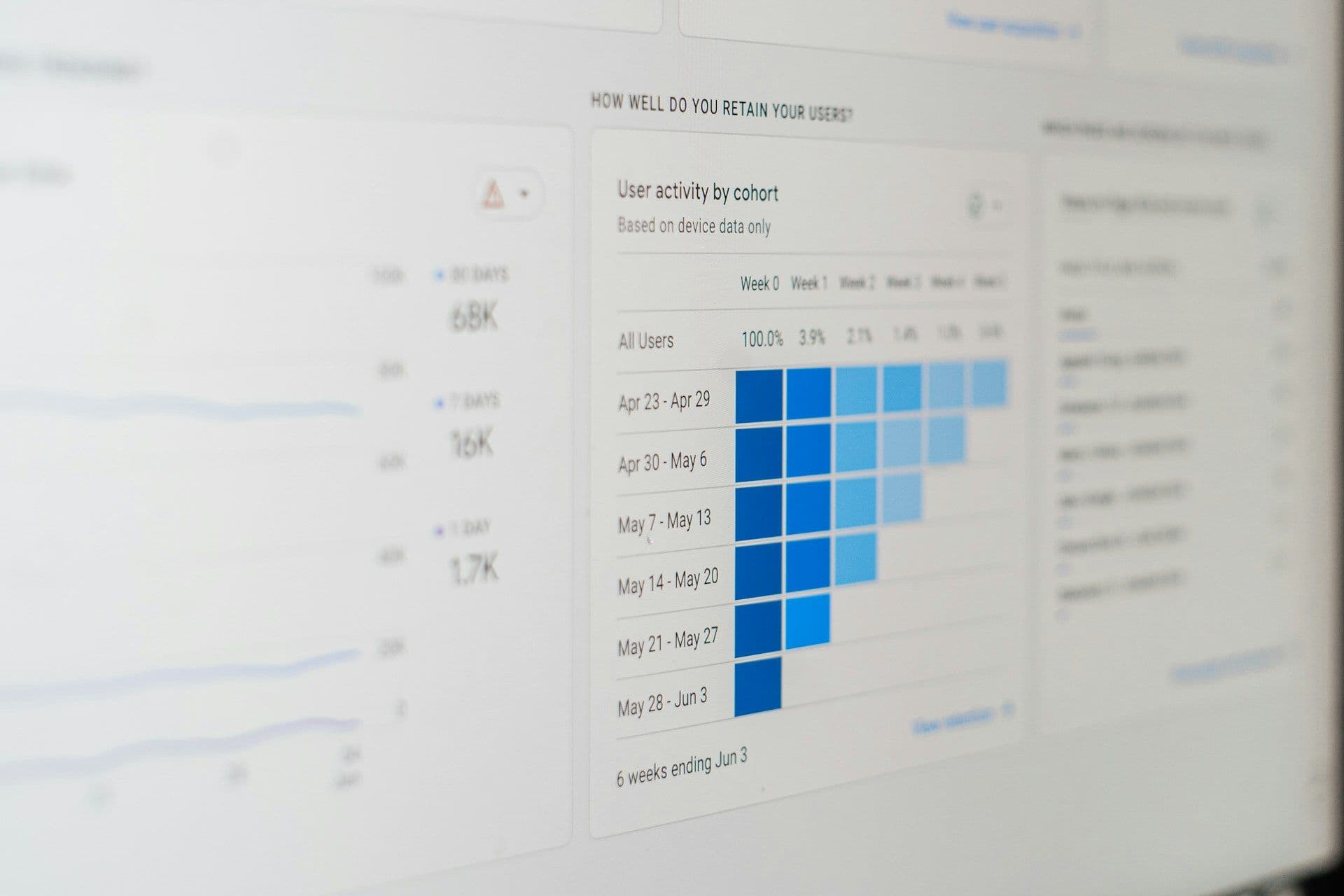
Learn the essential financial systems that successful businesses implement to scale efficiently and maintain healthy cash flow as they grow.
Microsoft 365 belongs in Software (Detail Type Software), Schedule C Line 27a. No 1099 to Microsoft. Sales tax varies by state. Plus annual-prepay treatment, Copilot, and Azure-split edge cases bookkeepers miss.

Stripe fees go to Merchant Account Fees (Schedule C Line 27a), NOT Line 17. Each Stripe deposit splits into gross revenue, fees, refunds, and sales tax. Net-vs-gross posting is the #1 trap. 1099-K TY2026: $20,000 + 200 transactions per OBBBA.
Shopify is two categories at once: subscription (Software) and Payments processing fees (Merchant Account Fees). 1099-K TY2026 threshold $20,000 + 200 transactions per OBBBA. Shopify Capital is a loan, not income. Sales tax collected is a liability.

Upwork goes to Contract Labor (Schedule C Line 11). You don't issue a 1099-NEC to Upwork OR to the freelancer — §6041 corporate exemption applies because Upwork is the payee. The direct-pay-outside-platform $2,000 TY2026 OBBBA threshold is the trap.

Current assets minus current liabilities. What the number means, healthy benchmarks, and how clean books keep it reliable.
Inventory accounting tracks goods held for sale using perpetual or periodic systems and three costing methods that flow directly to COGS.
When a customer invoice won't get paid, bad debt expense is how it leaves your books. Here's the allowance method, direct write-off, and the AR aging workflow bookkeepers follow.
Accumulated depreciation is the running total of all depreciation charged against a fixed asset. It reduces the asset's carrying value on the balance sheet.
Current assets minus current liabilities. What the number means, healthy benchmarks, and how clean books keep it reliable.
Current assets minus current liabilities. What the number means, healthy benchmarks, and how clean books keep it reliable.
Inventory accounting tracks goods held for sale using perpetual or periodic systems and three costing methods that flow directly to COGS.
Inventory accounting tracks goods held for sale using perpetual or periodic systems and three costing methods that flow directly to COGS.
When a customer invoice won't get paid, bad debt expense is how it leaves your books. Here's the allowance method, direct write-off, and the AR aging workflow bookkeepers follow.
When a customer invoice won't get paid, bad debt expense is how it leaves your books. Here's the allowance method, direct write-off, and the AR aging workflow bookkeepers follow.
Accumulated depreciation is the running total of all depreciation charged against a fixed asset. It reduces the asset's carrying value on the balance sheet.
Accumulated depreciation is the running total of all depreciation charged against a fixed asset. It reduces the asset's carrying value on the balance sheet.
Owner's equity is what's left after liabilities. Here's how bookkeepers track it across sole props, LLCs, S-Corps, and C-Corps.

Owner's equity is what's left after liabilities. Here's how bookkeepers track it across sole props, LLCs, S-Corps, and C-Corps.
Net income is the bottom line of the P&L. Here's the formula, how it differs from gross profit and EBITDA, and where it flows at year-end close.
Net income is the bottom line of the P&L. Here's the formula, how it differs from gross profit and EBITDA, and where it flows at year-end close.
Get the latest insights on AI and business growth delivered to your inbox